
Business planning consulting services offer expert guidance that helps organisations turn ideas into actionable strategies. Effective planning involves thorough market research, financial forecasting, and competitive analysis — all vital for understanding the business landscape. In this guide, we explore the essential steps for successful business planning and how consulting services can help you achieve measurable results.
Why Business Planning Matters
Business planning is crucial for setting a clear path forward. It helps businesses define their objectives and align their efforts. A solid business plan attracts potential investors by demonstrating the business's vision and financial viability. Additionally, business planning enables companies to anticipate challenges and adapt to changing market conditions.
Key benefits of business planning include:
- Establishing clear goals and strategies
- Enhancing business performance and efficiency
- Preparing for financial and market challenges
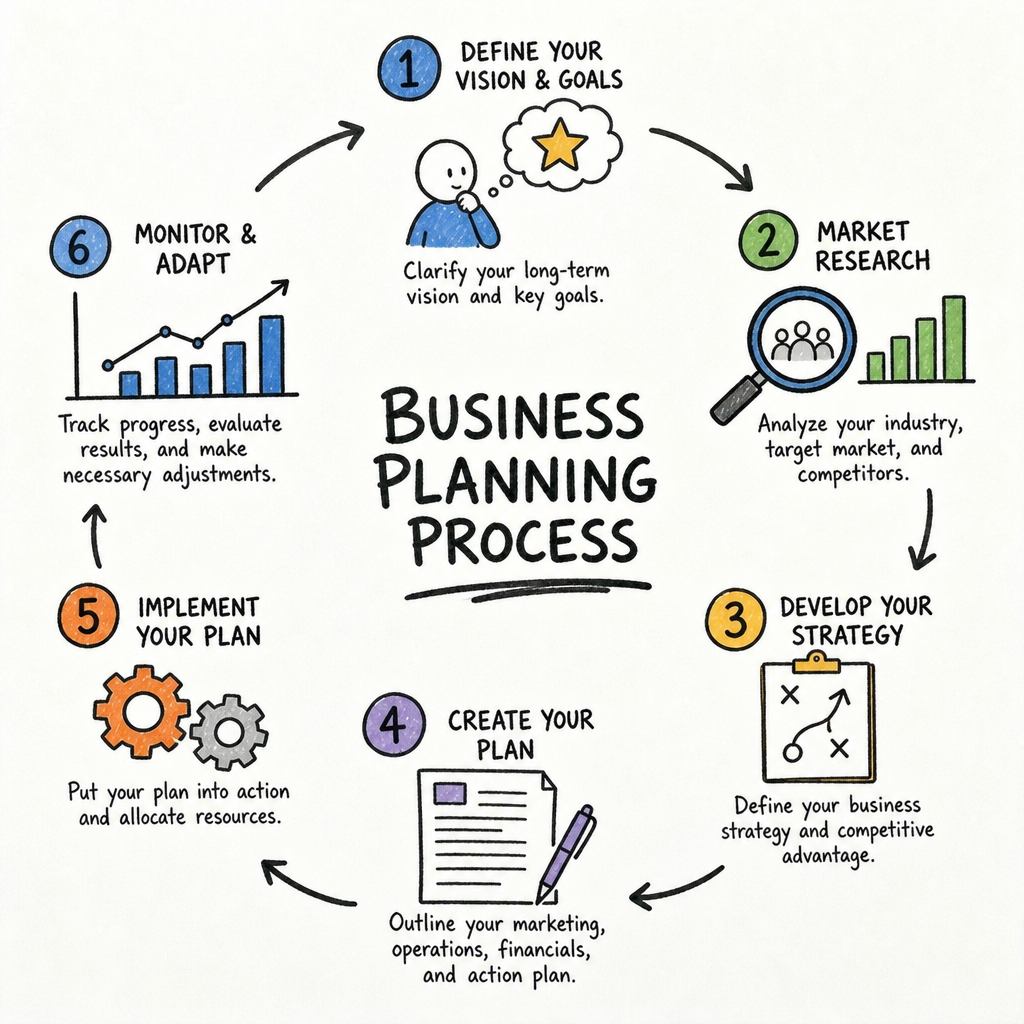
Planning provides a framework for measuring progress and tracking performance against milestones. In summary, effective business planning is a vital tool that supports growth and ensures long-term sustainability.
Step 1: Define Your Vision and Objectives
The first step in business planning consulting involves defining your vision. A clear vision acts as a guiding light for decision-making and aligns the entire team towards common goals. Objectives translate vision into actionable steps. They should be specific, measurable, achievable, relevant, and time-bound (SMART).
Essential aspects to consider:
- Craft a compelling vision statement.
- Establish SMART objectives that align with your vision.
- Ensure objectives are flexible to adapt to changes.
Defining your vision and objectives helps in making informed strategic choices and fosters commitment from all stakeholders.
Step 2: Conduct Market Research and Analysis
Market research is vital for understanding your industry and competitors. It provides insights into customer preferences and market trends. Analysing competitors involves identifying their strengths and weaknesses to reveal market opportunities your business can fill.
Key components of market research include:
- Identifying market size and growth potential.
- Analysing competitor strategies and positioning.
- Understanding customer demographics and preferences.

Thorough market research ensures your business decisions are data-driven and minimises risks by providing a realistic view of the market environment.
Step 3: Develop a Comprehensive Business Model
A solid business model defines how your company creates, delivers, and captures value. Start by identifying your value proposition — the unique benefits your business offers. Define your revenue streams through diverse income sources such as sales, subscriptions, or services.
Key elements of a business model include:
- Value proposition
- Revenue streams
- Customer segments
- Key partnerships
A clear business model guides strategic decisions and operational priorities while remaining flexible to adapt to market evolution.
Step 4: Create a Detailed Marketing and Sales Strategy
An effective marketing and sales strategy is crucial for reaching your target audience and driving growth. Start by understanding your market and identifying your ideal customer profile. Develop a marketing mix that aligns product, price, place, and promotion with your business goals.
Key components include:
- Target audience analysis
- Marketing mix (product, price, place, promotion)
- Sales funnel development
- Customer relationship management
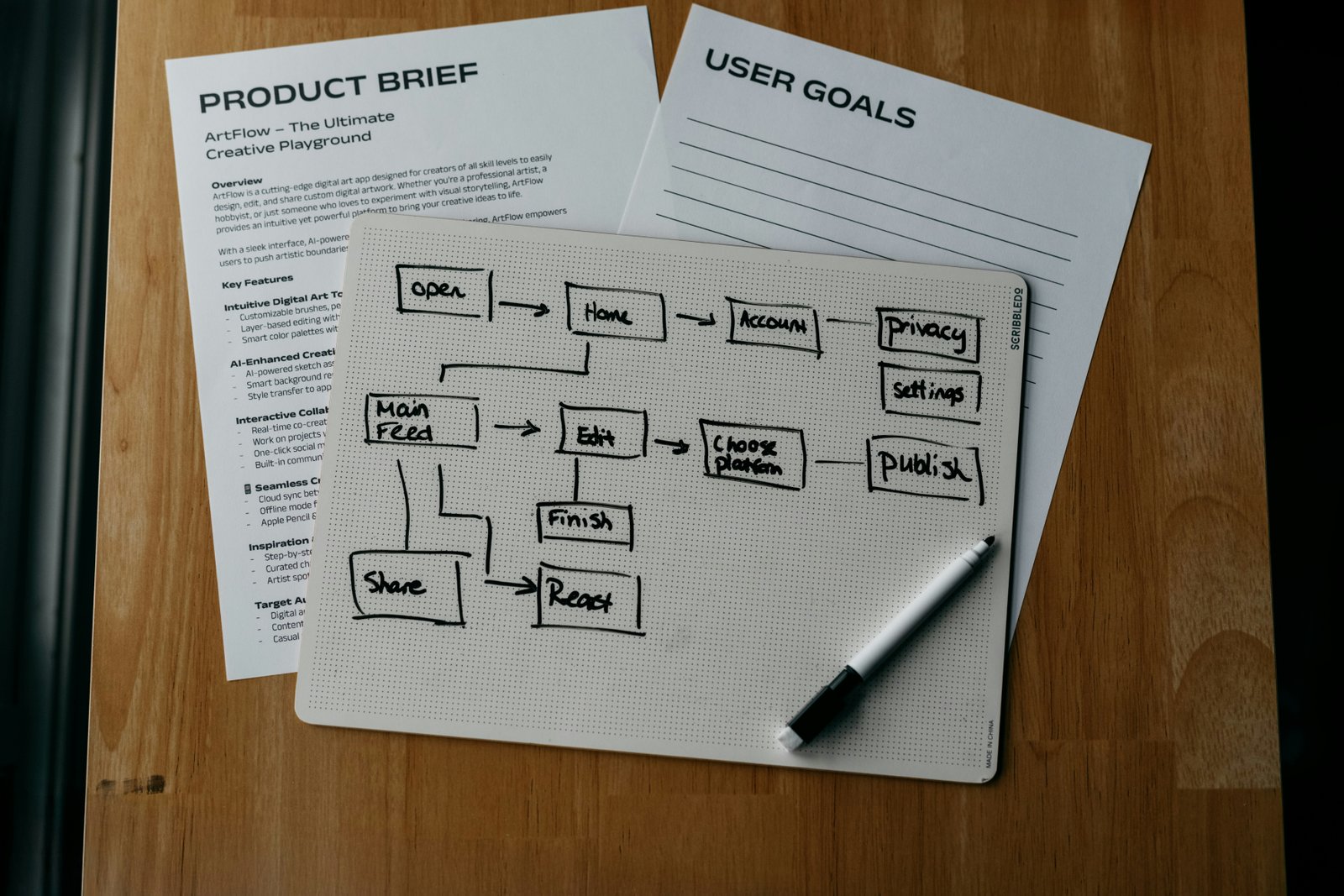
Incorporating these elements ensures a strategic approach that builds customer loyalty and brand reputation.
Step 5: Build a Robust Financial Plan
A solid financial plan is the cornerstone of any successful business venture. Start by forecasting revenues and expenses with realistic projections. Include key financial statements: income statement, balance sheet, and cash flow statement. Your budgeting process should consider fixed and variable costs and their impact on profit margins.
The financial plan should include:
- Revenue projections
- Expense budgeting
- Break-even analysis
- Funding requirements and sources

By accurately forecasting finances, you reduce risks and increase your business's chances of long-term success.
Step 6: Outline Operations and Management Structure
Defining your operations and management structure is vital for seamless functioning. Outline your organisational hierarchy with clear roles and responsibilities. Your operations plan should detail daily processes and identify required resources such as technology, equipment, and staff.
Key components:
- Organisational hierarchy
- Role descriptions and responsibilities
- Daily operational processes
- Resource requirements
Efficient management practices foster accountability and drive performance, creating a strong foundation for scaling and adaptation.
Step 7: Identify Risks and Mitigation Strategies
Every business faces risks that could impact operations and profitability. Identify potential risks early — market changes, financial uncertainties, and operational disruptions. Develop mitigation strategies such as diversifying revenue streams and maintaining reserve funds.
Key steps in risk management:
- Conducting a risk assessment
- Developing mitigation strategies
- Regular review and adaptation
Being prepared with contingency plans ensures your business remains resilient and adaptable.
Leveraging Business Planning Consulting Services
Business planning consulting services provide expert guidance to refine and enhance your plans. Experienced consultants bring industry knowledge and fresh perspectives to identify opportunities and challenges. Services typically include market research and analysis, financial planning and forecasting, strategic growth initiatives, and risk assessment.

By leveraging consulting services, businesses enhance efficiency and competitiveness with actionable advice that leads to stronger plans and increased success.
Choosing the Right Business Planning Consultant
Selecting the right consultant is crucial. Look for industry-specific expertise, a proven track record, and the ability to provide personalised strategies. A competent consultant offers customised solutions that fit your specific business needs and goals.
When choosing a consultant, consider:
- Industry-specific expertise
- Proven track record of success
- Ability to provide personalised strategies
The right consultant becomes a strategic partner, ensuring you are well-equipped to face challenges and seize opportunities.
Business Plan Templates and Tools for Startups
Startups can greatly benefit from using business plan templates. These provide a structured framework that makes the planning process more efficient. Various tools assist with financial forecasts and strategy development.
Consider utilising:
- Pre-designed business plan templates
- Financial forecasting software
- Market analysis tools
These resources save time and ensure your plan covers all crucial aspects of the business.
Conclusion: Turning Plans into Action
Business planning is just the beginning — effective execution transforms plans into reality. Monitor progress regularly, revisit your business plan, and adjust as needed. Stay focused on your objectives and use your plan as a roadmap. With commitment and flexibility, your business can achieve sustainable growth through disciplined business planning consulting.
Q&A
Why does business planning matter, and what benefits can I expect?
Business planning sets a clear direction, aligns teams around shared objectives, and prepares you to navigate change. A strong plan signals vision and financial viability to investors, improves performance, and creates a framework for tracking progress.
What are the essential steps in the business planning process?
Define your vision and set SMART objectives. Conduct market research and analyse competitors. Develop a comprehensive business model. Create a marketing and sales strategy. Build a robust financial plan. Outline operations and management structure. Identify risks and mitigation strategies.
What should my financial plan include to attract investors?
Include realistic revenue and expense forecasts, income statement, balance sheet, cash flow statement, expense budgeting, break-even analysis, and clear funding requirements with planned uses of capital.
How can business planning consultants add value?
Consultants bring industry expertise, fresh perspectives, and structured methods that refine plans and improve execution. Services include market research, financial planning, strategic growth initiatives, and risk management.